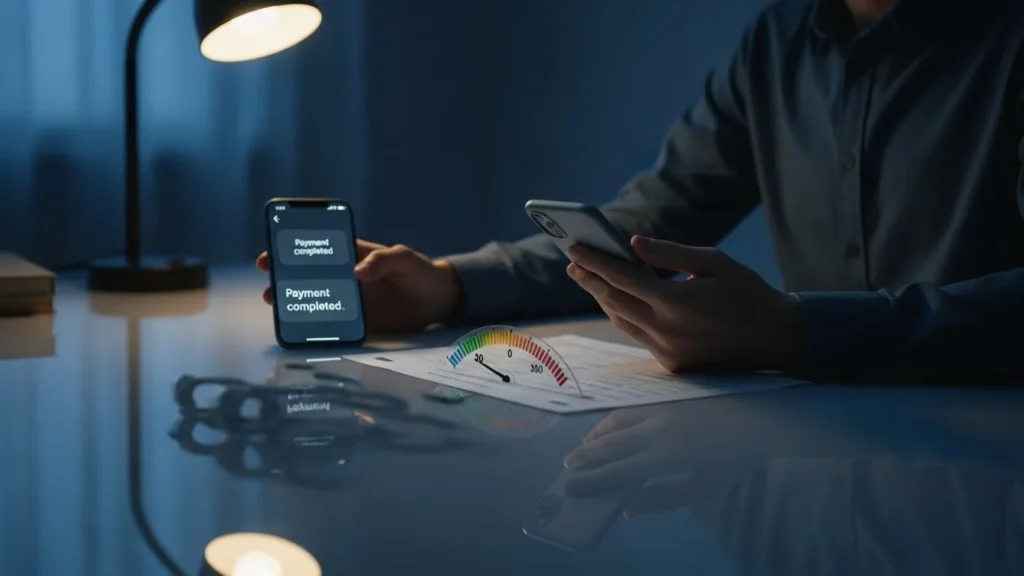
The Moment That Feels Like Progress—But Isn’t
You finally do it.
You pay the collection account.
You clear the debt.
You expect relief — and a higher credit score.
Then you check your credit.
Nothing changes.
Sometimes it even dips.
That moment is frustrating, confusing, and discouraging.
👉 You did the responsible thing — but credit scoring doesn’t always reward responsibility the way people expect.
This article explains why paying off collections doesn’t automatically fix your score, what’s really happening behind the scenes, and how to move forward strategically instead of emotionally.
Why This Matters More Than Ever
Collections feel like the “big problem” on a credit report.
So people assume:
“If I remove the worst item, everything improves.”
But credit scores don’t work like moral report cards.
They measure risk patterns, not effort or intention.
Understanding this prevents:
- Wasted money
- False expectations
- Discouragement
- Credit decisions that backfire
And it helps you choose actions that actually move your score.
What a Collection Account Really Represents to Scoring Models
A collection account isn’t just unpaid debt.
To credit scoring systems, it signals:
- A serious payment failure
- A breakdown in repayment behavior
- Elevated risk — historically
Once that signal exists, the damage is largely done.
Paying it later doesn’t erase the fact that it happened.
This is the hardest truth to accept — and the most important.
Paid vs Unpaid Collections: The Difference Is Smaller Than You Think
Many people believe:
“Once I pay it, my score will jump.”
In reality:
- Both paid and unpaid collections indicate past delinquency
- The presence of the collection matters more than its balance
- Older scoring models treat them almost the same
So while paying may help lenders see responsibility, scores often don’t react dramatically.
That’s why results feel disappointing.
Why Paying Off Collections Still Matters (Even If the Score Doesn’t Move)
This isn’t an argument against paying collections.
It’s about understanding the purpose.
Paying collections can:
- Prevent lawsuits or wage garnishment
- Improve approval odds with some lenders
- Help with insurance underwriting
- Reduce stress and financial noise
- Enable “pay-for-delete” negotiations (sometimes)
But score improvement is often indirect, not immediate.
The Role of Scoring Models (And Why Results Vary)
Not all credit scores are calculated the same way.
Some newer scoring models:
- Ignore paid collections
- Reduce their impact over time
- Weigh recent positive behavior more heavily
Others:
- Still factor in the collection’s presence
- Emphasize payment history above all else
That’s why:
- One lender sees improvement
- Another doesn’t
- Your monitoring app and a bank show different results
It’s confusing — and normal.
Real-Life Example: Two People, Same Collection, Different Outcomes
Person A
- Pays off a collection
- Has no active positive accounts
- Low credit utilization history
Person B
- Pays off the same type of collection
- Maintains on-time payments on other accounts
- Uses credit lightly and consistently
Person B often sees gradual improvement.
Why?
Because positive data needs to outweigh the negative, not just remove it.
The Bigger Factor Credit Scores Care About: Recent Behavior
Credit scoring systems are forward-looking.
They ask:
“How likely is this person to miss a payment again?”
Recent behavior answers that question more powerfully than past mistakes.
That means:
- On-time payments matter more than old collections
- Low utilization matters more than zero balances everywhere
- Consistency beats cleanup
Collections are backward-looking signals.
Payment habits are forward-looking signals.
Comparison Table: Expectation vs Reality
| What People Expect | What Actually Happens |
|---|---|
| Pay collection → big score jump | Often little or no immediate change |
| Paid = removed | Paid ≠ deleted |
| Debt gone = risk gone | Risk signal remains |
| One fix solves everything | Credit improves through patterns |
| Fast recovery | Gradual rebuilding |
Understanding this gap saves frustration.
Common Mistakes That Make Credit Recovery Slower
After paying collections, people often:
- Close all credit accounts
- Avoid credit completely
- Apply for multiple new cards
- Miss small payments
- Check scores obsessively
These behaviors slow recovery — or reverse it.
Credit improves with stable, boring behavior, not dramatic moves.
What Actually Helps After Paying a Collection
If your goal is score improvement, focus here:
- On-time payments every month
- Low credit utilization (ideally under 30%)
- Keeping older accounts open
- Avoiding new negative marks
- Letting time work
Time is frustrating — but it’s powerful.
Negative items fade in impact as positive behavior accumulates.
Hidden Tip: “Pay for Delete” Isn’t Guaranteed
You may hear about negotiating removal after payment.
Important reality:
- Some collectors agree
- Many do not
- It’s not required by law
- It must be in writing
Never assume a paid collection will be deleted unless explicitly agreed.
Why This Matters Today (And Going Forward)
Credit affects:
- Loan approvals
- Interest rates
- Insurance pricing
- Housing options
- Financial flexibility
Misunderstanding collections leads to:
- Emotional decisions
- Financial regret
- Slower recovery
Clarity restores control.
Key Takeaways
- Paying collections doesn’t automatically raise your credit score
- The damage happens when the account goes delinquent
- Scores reward consistent positive behavior over time
- Paid collections still matter for approvals and peace of mind
- Strategy beats urgency in credit repair
Frequently Asked Questions
1. Should I pay collections if it won’t raise my score?
Often yes — for legal, approval, and stress reasons — but not solely for score improvement.
2. How long do collections affect credit scores?
They typically remain on reports for several years, but impact fades over time.
3. Can my score drop after paying a collection?
Occasionally, due to scoring recalculations. It’s usually temporary.
4. Is settling worse than paying in full?
For scoring, both usually look similar. For lenders, paid-in-full may look better.
5. What’s the fastest way to rebuild credit after collections?
On-time payments, low balances, patience, and avoiding new negatives.
A Calm, Honest Conclusion
Paying off collections is responsible.
But credit scores don’t reward responsibility — they reward patterns.
Once you understand that, the frustration fades.
Your focus shifts from fixing the past
to proving stability in the present.
And that’s when real credit recovery begins.
Disclaimer: This article is for general educational purposes only and does not constitute personalized credit or financial advice.

Selina Milani is a personal finance writer focused on clear, practical guidance on money, taxes, insurance, and investing. She simplifies complex decisions with research-backed insights, calm clarity, and real-world accuracy.