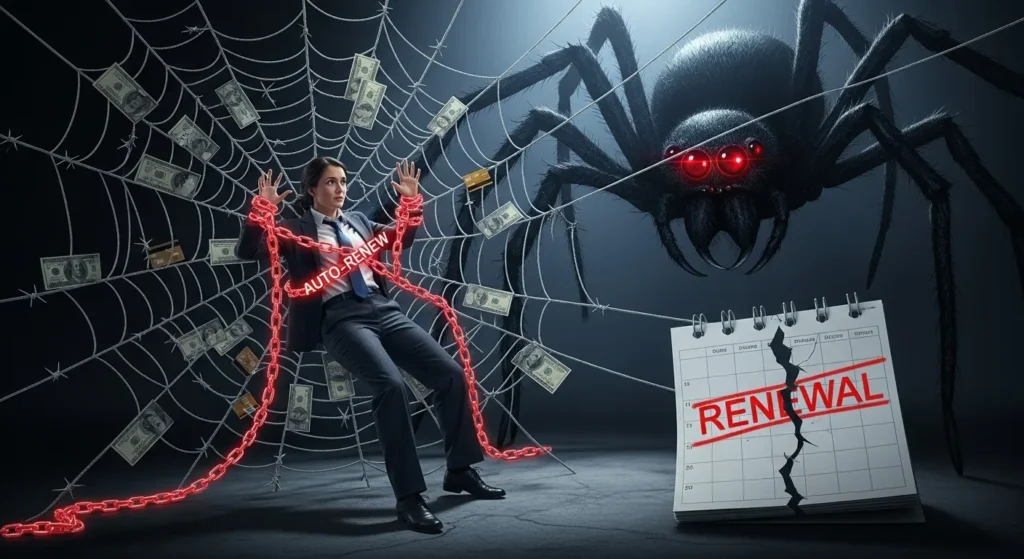
The One Moment Everyone Rushes Through
Policy renewal is treated like a deadline.
A reminder pops up.
A payment is made.
Life moves on.
No questions asked.
No changes considered.
No thinking involved.
And that’s exactly why renewal is the most overlooked opportunity in insurance.
It’s the only moment when you can re-align protection with your real life—without starting from scratch.
Yet most people rush past it.
What Policy Renewal Is Supposed to Be
In theory, renewal exists for a reason.
It’s meant to be a checkpoint:
- Has your life changed?
- Have risks shifted?
- Are costs still realistic?
- Does the policy still fit?
Renewal isn’t administrative.
It’s strategic.
But in practice, it’s reduced to a transaction.
Why Renewal Becomes “Just a Payment”
Several forces push people toward auto-renewal.
The Convenience Bias
Auto-renew feels efficient.
Reviewing feels effortful.
So the brain chooses ease over accuracy.
The “Nothing Went Wrong” Assumption
If no claim occurred last year, people assume:
- Coverage must be fine
- No action is needed
But insurance doesn’t prove itself through silence.
It proves itself through alignment.
Life Changes Faster Than Policies Do
Policies are static by default.
Life isn’t.
Consider how quickly things shift:
- Income increases or becomes irregular
- Family responsibilities grow
- Health profiles evolve
- Assets accumulate
- Living costs rise
A policy that fit perfectly three years ago may now be quietly outdated.
Renewal is when that mismatch can be fixed.
The Hidden Cost of Auto-Renewal
Auto-renewal doesn’t just preserve coverage.
It preserves assumptions.
Assumptions like:
- “This coverage amount is still enough”
- “These exclusions don’t affect me”
- “My risks haven’t changed much”
Each unchecked assumption becomes a silent vulnerability.
The cost doesn’t show up immediately.
It shows up when protection is tested.
Real-Life Example: When Renewal Was a Missed Chance
Imagine someone who renews their health policy every year without review.
Over time:
- Medical inflation rises
- Sub-limits remain unchanged
- New exclusions appear
- Lifestyle risks increase
On paper, the policy is active.
In reality, protection has eroded.
The renewal moment could have corrected this.
It didn’t—because it was skipped.
Why Insurers Rarely Push You to Review
It’s not because reviews aren’t useful.
It’s because:
- Auto-renew reduces friction
- Fewer changes mean lower service costs
- Stability benefits systems
That makes renewal efficient—but not necessarily protective.
The responsibility to reassess often falls on the policyholder.
Renewal vs. Review: A Critical Difference
| Renewal Only | Renewal With Review |
|---|---|
| Same terms continue | Terms evolve with life |
| Old assumptions remain | New risks addressed |
| Convenience-focused | Protection-focused |
| False confidence | Informed confidence |
| Reactive | Proactive |
Renewal without review maintains the past.
Renewal with review prepares for the future.
Why This Matters Today
Modern risks are dynamic:
- Costs escalate faster than coverage
- Careers are less linear
- Health risks appear earlier
- Family structures change
Insurance bought once and never revisited slowly loses relevance.
Renewal is the built-in moment to adapt—if you use it.
Common Renewal Mistakes to Avoid
Most people don’t make bad choices.
They make default ones.
Frequent Mistakes:
- Renewing solely to avoid a lapse
- Ignoring new add-ons or riders
- Not adjusting coverage amounts
- Assuming loyalty equals suitability
- Treating renewal as paperwork
These mistakes don’t hurt immediately.
They hurt later—when correction is hardest.
The Psychology Behind Missed Renewals
Several mental biases are at play.
Status Quo Bias
Staying the same feels safer than changing.
Complexity Avoidance
Policy language feels intimidating, so it’s skipped.
Time Compression
Renewal reminders often arrive when attention is elsewhere.
Optimism Bias
People assume serious issues won’t arise this year either.
Together, these biases turn renewal into autopilot.
Hidden Tip: Renewal Is Easier Than Buying New
Ironically, renewal reviews require less effort than new purchases.
Why?
- You already understand the structure
- Only adjustments are needed
- Comparisons are narrower
- Decisions are incremental
Small changes at renewal often deliver outsized protection gains.
What to Actually Review at Renewal Time
You don’t need to re-read the entire policy.
Focus on five things:
- Coverage Amounts
Do they reflect current costs and responsibilities? - Exclusions & Sub-Limits
Have they changed—or become more relevant? - Add-Ons or Riders
Are there gaps that didn’t exist before? - Claim Conditions
Are processes still clear and practical? - Life Changes
Marriage, children, assets, health, income—anything new?
Fifteen focused minutes beats blind renewal every time.
Turning Renewal Into a Strategic Reset
Think of renewal as:
- A recalibration
- A protection tune-up
- A reality check
Not a chore.
When approached this way, renewal becomes empowering—not stressful.
Actionable Steps for Smarter Renewals
- Block 30 minutes before renewal—not on the deadline
- Review only what impacts real outcomes
- Adjust coverage for inflation and life changes
- Simplify where complexity adds no value
- Document why decisions were made
Future-you will thank present-you.
Key Takeaways
- Policy renewal is a strategic opportunity, not paperwork
- Auto-renew preserves assumptions, not protection
- Life changes faster than insurance terms
- Small renewal adjustments prevent big future gaps
- Review beats replacement in most cases
Frequently Asked Questions (FAQ)
1. Is auto-renew always bad?
No—but auto-renew without review increases the risk of misalignment.
2. How often should policies be reviewed?
At every renewal, and after major life changes.
3. Does reviewing mean switching insurers?
Not necessarily. Often, small adjustments are enough.
4. Can renewal reviews reduce costs?
Yes—by eliminating unnecessary coverage or optimizing structure.
5. What’s the biggest renewal mistake?
Assuming “no claims” means “no problems.”
Conclusion: Renewal Is a Pause Button—Use It
Insurance rarely fails because people didn’t buy it.
It fails because it wasn’t updated.
Policy renewal is the one built-in moment to pause, reassess, and realign.
Skipping that moment doesn’t save time.
It just postpones risk.
Use renewal wisely—and protection quietly improves.
Disclaimer: This article is for general informational purposes only and does not replace personalized insurance or financial guidance.

Selina Milani is a personal finance writer focused on clear, practical guidance on money, taxes, insurance, and investing. She simplifies complex decisions with research-backed insights, calm clarity, and real-world accuracy.