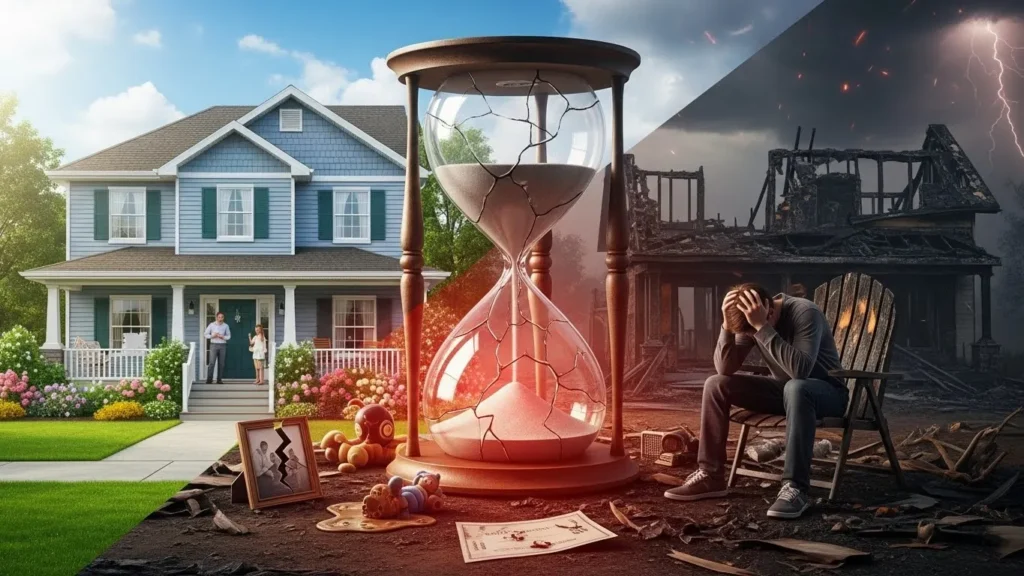
A Quiet Risk That Feels Harmless—Until It Isn’t
Most people don’t choose to be underinsured.
They simply assume they’re “covered enough.”
Premiums are paid on time.
Policy documents sit quietly in email folders.
Life feels stable.
So nothing feels urgent.
But underinsurance isn’t loud or dramatic.
It doesn’t warn you.
It doesn’t show up in everyday life.
It waits.
And when it finally reveals itself, it does so at the worst possible moment—when you’re already dealing with stress, loss, or shock.
That’s the hidden cost most people never calculate.
What Underinsuring Really Means (Beyond the Definition)
Underinsuring isn’t about having no insurance.
It’s about having coverage that looks fine on paper but fails in real life.
It can happen when:
- Coverage limits haven’t been updated for years
- Property or assets increased in value
- Medical costs rose faster than policy limits
- Inflation quietly eroded protection
- Policies were chosen only to minimize premiums
On the surface, everything looks responsible.
In reality, a gap is forming—slowly, invisibly.
Why Underinsurance Is So Common Today
Underinsurance has become more common—not because people are careless, but because modern life changes faster than insurance plans.
Here’s why it sneaks up on people:
- Rising costs: Healthcare, repairs, legal fees, and rebuilding costs rise faster than coverage updates
- Lifestyle upgrades: New cars, better homes, business expansions often go uninsured properly
- Overconfidence: “Nothing major has happened so far” creates false security
- Complex policies: Fine print hides exclusions, sub-limits, and outdated assumptions
This gap doesn’t feel dangerous—until it suddenly is.
The Moment Underinsurance Reveals Itself
Underinsurance is discovered at the worst possible time:
- After a medical emergency
- After a serious accident
- After property damage
- After a lawsuit
- After a natural disaster
That’s when people hear sentences like:
“The remaining amount will need to be paid out-of-pocket.”
The shock isn’t just financial.
It’s emotional.
Because the belief that “I did the right thing” suddenly collapses.
The Hidden Financial Costs People Never Plan For
Underinsurance doesn’t just create a single bill.
It creates secondary damage that lasts for years.
Common hidden costs include:
- Draining emergency savings
- Liquidating long-term investments
- Taking high-interest loans
- Selling assets under pressure
- Delaying recovery or treatment
- Accumulating long-term debt
The real damage isn’t the uncovered amount alone—it’s what it forces you to sacrifice.
A Real-Life Scenario: “We Thought We Were Covered”
Consider this common situation:
A family insures their home based on its value from 8 years ago.
Renovations, material inflation, and labor costs increase over time.
A fire causes major damage.
The insurance payout covers only 70% of rebuilding costs.
The remaining 30%?
Paid from savings meant for education, retirement, and emergencies.
No one planned for that trade-off.
No one realized the gap existed.
The Emotional Cost That Rarely Gets Talked About
Underinsurance creates emotional pressure that lingers long after the event.
People experience:
- Guilt for “not checking earlier”
- Anxiety about future risks
- Loss of trust in financial planning
- Strain in relationships
- Decision paralysis after financial shock
This emotional cost doesn’t show up in spreadsheets—but it shapes future choices for years.
Underinsurance vs Adequate Coverage: A Clear Comparison
| Factor | Underinsured | Adequately Insured |
|---|---|---|
| Premium Cost | Lower upfront | Slightly higher |
| Claim Experience | Stressful, partial payouts | Predictable, complete |
| Out-of-Pocket Risk | High | Minimal |
| Financial Recovery | Slow, painful | Faster, stable |
| Emotional Impact | Anxiety, regret | Relief, confidence |
| Long-Term Stability | Compromised | Protected |
The difference isn’t about luxury—it’s about resilience.
Why This Matters Today (And Always Will)
Modern risks are more complex than ever:
- Healthcare costs escalate quickly
- Legal liabilities are increasing
- Climate-related damages are more frequent
- Repair and replacement costs rise unpredictably
Underinsurance turns manageable events into life-altering setbacks.
Adequate coverage doesn’t prevent problems—but it prevents collapse.
Common Underinsurance Mistakes to Avoid
Many people fall into the same traps:
- Choosing policies only by lowest premium
- Never reviewing coverage after major life changes
- Ignoring sub-limits and exclusions
- Assuming employer coverage is “enough”
- Treating insurance as paperwork, not protection
These mistakes feel harmless—until timing exposes them.
How to Check If You’re Quietly Underinsured
Ask yourself these simple questions:
- Have my coverage limits been updated in the last 2–3 years?
- Would payouts match today’s real costs—not old estimates?
- Do I fully understand exclusions and sub-limits?
- Have inflation and lifestyle changes been accounted for?
- Would I be financially stable if a worst-case event happened tomorrow?
If any answer feels uncertain—that’s your signal.
Practical Steps to Close the Insurance Gap
You don’t need complex strategies. You need clarity.
Actionable steps:
- Review policies annually, not just at purchase
- Adjust coverage after life changes (property, income, family size)
- Factor in inflation, not just asset value
- Understand worst-case scenarios, not average outcomes
- Focus on protection, not premium savings alone
Small adjustments now prevent massive losses later.
Hidden Tip Most People Miss
Insurance should be evaluated based on replacement cost, not current value or emotional attachment.
Ask:
“If this were destroyed tomorrow, what would it actually cost to rebuild or replace today?”
That question alone exposes most underinsurance gaps instantly.
Frequently Asked Questions
1. Is underinsurance worse than having no insurance?
In many cases, yes. It creates false confidence and delays preparation until it’s too late.
2. How often should insurance coverage be reviewed?
At least once every 1–2 years, and immediately after major life or financial changes.
3. Does inflation really affect insurance that much?
Yes. Inflation silently reduces real coverage value over time, especially for long-term policies.
4. Are higher premiums always worth it?
Not always—but adequate coverage is. The goal is balance, not maximum cost.
5. Can underinsurance affect mental health?
Absolutely. Financial shock combined with guilt and uncertainty creates lasting stress.
Key Takeaways
- Underinsurance is common—and rarely intentional
- The real cost includes financial, emotional, and long-term damage
- Most people discover the gap only during a crisis
- Small coverage updates prevent major setbacks
- Insurance is about resilience, not optimism
A Calm, Honest Conclusion
Underinsurance doesn’t fail loudly.
It fails quietly—when you need support most.
The difference between “just enough” and “truly protected” is rarely felt day-to-day.
But in moments that matter, it defines whether life bends—or breaks.
Checking your coverage isn’t about fear.
It’s about giving future-you the gift of stability.
Disclaimer: This article is for general informational purposes only and does not replace personalized insurance or financial advice.

Selina Milani is a personal finance writer focused on clear, practical guidance on money, taxes, insurance, and investing. She simplifies complex decisions with research-backed insights, calm clarity, and real-world accuracy.


Pingback: You’re Paying Twice for Insurance—And Still Not Fully Protected
Pingback: The Cost of Assuming “Standard Coverage” — Why Average Insurance Leaves You Exposed
Pingback: Why Insurance Coverage Amounts Become Inadequate — And Why “Enough” Rarely Stays Enough