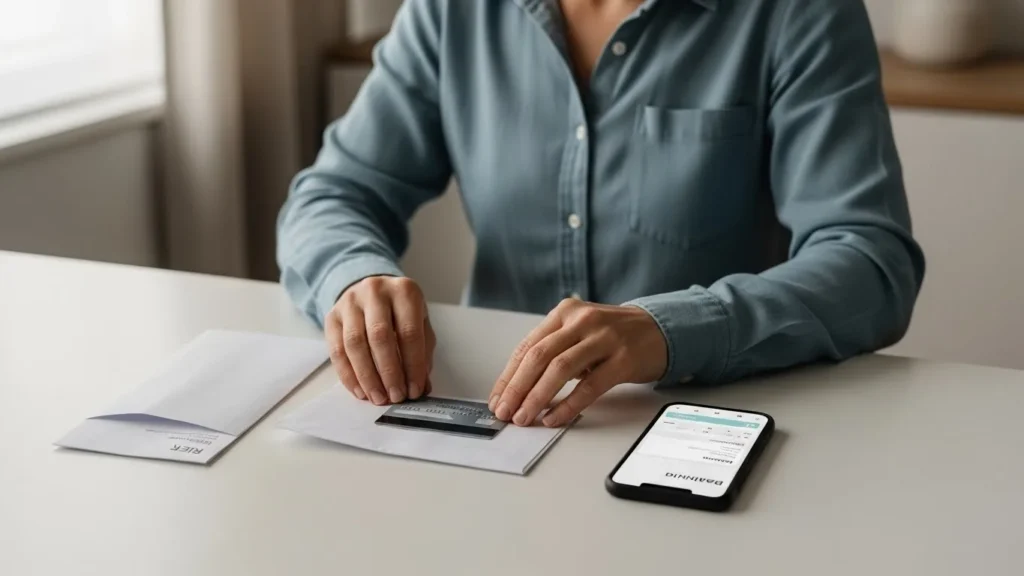
“The Credit Card Myth That Causes Most Problems”
Credit cards are often framed as dangerous.
Either you avoid them completely—or you fall into debt.
But in my experience working with individuals who manage money calmly and effectively, I’ve seen a different reality: many people use credit cards regularly and never pay interest at all.
Not because they earn extraordinary incomes.
Not because they use complicated tricks.
But because they understand how credit cards actually work, and they align their habits with that system.
This article breaks down the smart, realistic ways to use credit cards without paying interest, step by step—without fear, guilt, or extreme rules.
First, Understand When Credit Card Interest Is Charged
This is the most important concept—and the most misunderstood.
Credit cards do not charge interest on every purchase automatically.
Interest is charged only when:
- You carry a balance past the due date
- You don’t pay the full statement balance
If you pay the entire statement balance by the due date, interest is typically $0.
Why This Matters
Many people believe interest is unavoidable. It isn’t.
Interest is conditional—and conditions can be controlled.
The Billing Cycle: The Quiet Window Most People Ignore
Every credit card has a billing cycle, usually around 30 days.
During this cycle:
- Purchases are recorded
- A statement is generated
- A due date follows
Between purchase and due date, you often have 40–55 days before interest applies.
Hidden Insight Most People Miss
Credit cards offer short-term, interest-free financing by design—as long as you respect the timing.
People who understand the cycle use it intentionally.
Smart Habit #1: Always Pay the Full Statement Balance
This is the single most powerful habit.
Not the minimum.
Not “most of it.”
The full statement balance.
Real-World Observation
I’ve seen people with modest incomes avoid interest for years simply by treating their credit card like a delayed debit card.
They spend.
They wait for the statement.
They pay it in full.
No interest.
No stress.
Smart Habit #2: Separate Spending Ability From Credit Limit
A credit limit is not spending permission.
It’s a ceiling—not a target.
Smart credit card users decide how much they can afford, independent of the limit shown.
Common Mistake
People mentally tie spending power to available credit, not available cash.
That mental shift is often where interest begins.
Smart Habit #3: Use Credit Cards for Predictable Expenses
Credit cards work best with expenses you already expect and budget for.
Examples:
- Groceries
- Utilities
- Fuel
- Subscriptions
- Travel booked in advance
Why This Works
Predictable expenses make full repayment predictable.
Unplanned, emotional spending is where interest quietly enters.
Smart Habit #4: Automate Full Balance Payments
Automation removes friction—and forgetfulness.
Setting up automatic payment for the full statement balance ensures:
- No missed due dates
- No accidental interest
- No late fees
Real-World Pattern
People who automate full payments rarely worry about credit cards at all. The system runs quietly in the background.
Smart Habit #5: Understand Grace Periods
Most credit cards offer a grace period—the time between statement generation and payment due date.
However, grace periods usually apply only if the previous balance was paid in full.
Hidden Insight
Once interest is triggered, grace periods can disappear until the balance is fully cleared again.
This is why consistency matters more than occasional discipline.
Smart Habit #6: Avoid Carrying “Just a Small Balance”
This is one of the costliest myths.
Even a small carried balance can:
- Trigger interest on new purchases
- Remove the grace period
- Compound over time
In Practice
People who carry balances often don’t realize they’re paying interest on every new purchase until the balance is cleared.
That’s how interest snowballs quietly.
Smart Habit #7: Use 0% Offers Carefully (Not Casually)
Introductory 0% interest offers can be useful—but only with structure.
They work best when:
- The purchase amount is fixed
- Repayment is planned
- The balance is cleared before the offer ends
Common Mistake
Using 0% offers as permission to overspend, rather than as a timing tool.
Without a plan, these offers often turn expensive later.
Comparison Table: Interest-Free Use vs Interest-Trap Use
| Behavior | Interest-Free Use | Interest-Trap Use |
|---|---|---|
| Payment habit | Full statement balance | Minimum or partial |
| Spending mindset | Based on cash flow | Based on credit limit |
| Billing cycle awareness | High | Low |
| Automation | Enabled | Manual / inconsistent |
| Emotional stress | Low | High |
This difference is behavioral—not income-based.
Smart Habit #8: Track Spending Weekly (Not Monthly)
Waiting for the statement can feel reactive.
Checking spending weekly helps:
- Prevent surprises
- Adjust habits early
- Keep balances intentional
Real-World Insight
People who glance weekly rarely overspend—even without strict budgets.
Awareness alone changes behavior.
Common Credit Card Mistakes That Lead to Interest
These patterns show up again and again:
- Paying “almost” the full balance
- Forgetting one billing cycle
- Treating rewards as free money
- Using credit to cover cash shortages
- Ignoring statement dates
None of these mean irresponsibility—but they do increase risk.
Why Using Credit Cards This Way Matters Today
Credit cards are deeply embedded in modern life.
They offer:
- Convenience
- Protection
- Flexibility
- Rewards
Avoiding them entirely isn’t always practical.
Using them intentionally, without paying interest, allows people to benefit from the system without being drained by it.
In my experience, this approach creates confidence—not caution.
Practical Checklist: Using Credit Cards Without Interest
A simple summary you can apply immediately:
- Pay the full statement balance every time
- Automate payments where possible
- Spend based on cash, not limits
- Respect billing cycles
- Clear balances fully if interest appears
Simple habits outperform complex strategies.
Key Takeaways
- Credit card interest is avoidable, not automatic
- Timing matters as much as spending
- Full balance payments protect grace periods
- Automation reduces mistakes
- Behavior matters more than income
Frequently Asked Questions
1. Is it possible to use credit cards without ever paying interest?
Yes, many people do by consistently paying the full statement balance.
2. Does carrying a small balance really matter?
Yes. Even small balances can trigger ongoing interest.
3. Are credit card rewards worth it?
They can be—if interest is avoided completely.
4. Is automation safe?
For full balance payments, automation often reduces errors.
5. Should I avoid credit cards entirely if I’ve paid interest before?
Not necessarily. Understanding the system can change outcomes.
A Calm, Clear Conclusion
Credit cards aren’t the enemy.
Misunderstanding them is.
When you align your habits with how credit cards are designed to work, they become neutral tools—sometimes even helpful ones—rather than sources of stress or surprise.
Interest is optional.
Clarity is not.
And once you have clarity, control tends to follow naturally.
Disclaimer: This article is for general educational purposes only and does not provide personalized financial or credit advice. Individual situations and card terms may vary.

Selina Milani is a personal finance writer focused on clear, practical guidance on money, taxes, insurance, and investing. She simplifies complex decisions with research-backed insights, calm clarity, and real-world accuracy.


Pingback: Why Americans Overspend — The Hidden Psychology
Pingback: Why Minimum Payments Keep You in Debt — The Quiet Trap Most People Don’t Notice
Pingback: Cash vs Credit vs Debit — Which Is Best for Daily Spending? The Calm, Clear Answer Most People Never Get
Pingback: Travel Insurance Explained Simply — What It Actually Covers (And What It Quietly Doesn’t)
Pingback: 10 Hidden Fees Quietly Draining Your Money Every Month — And How to Stop Them